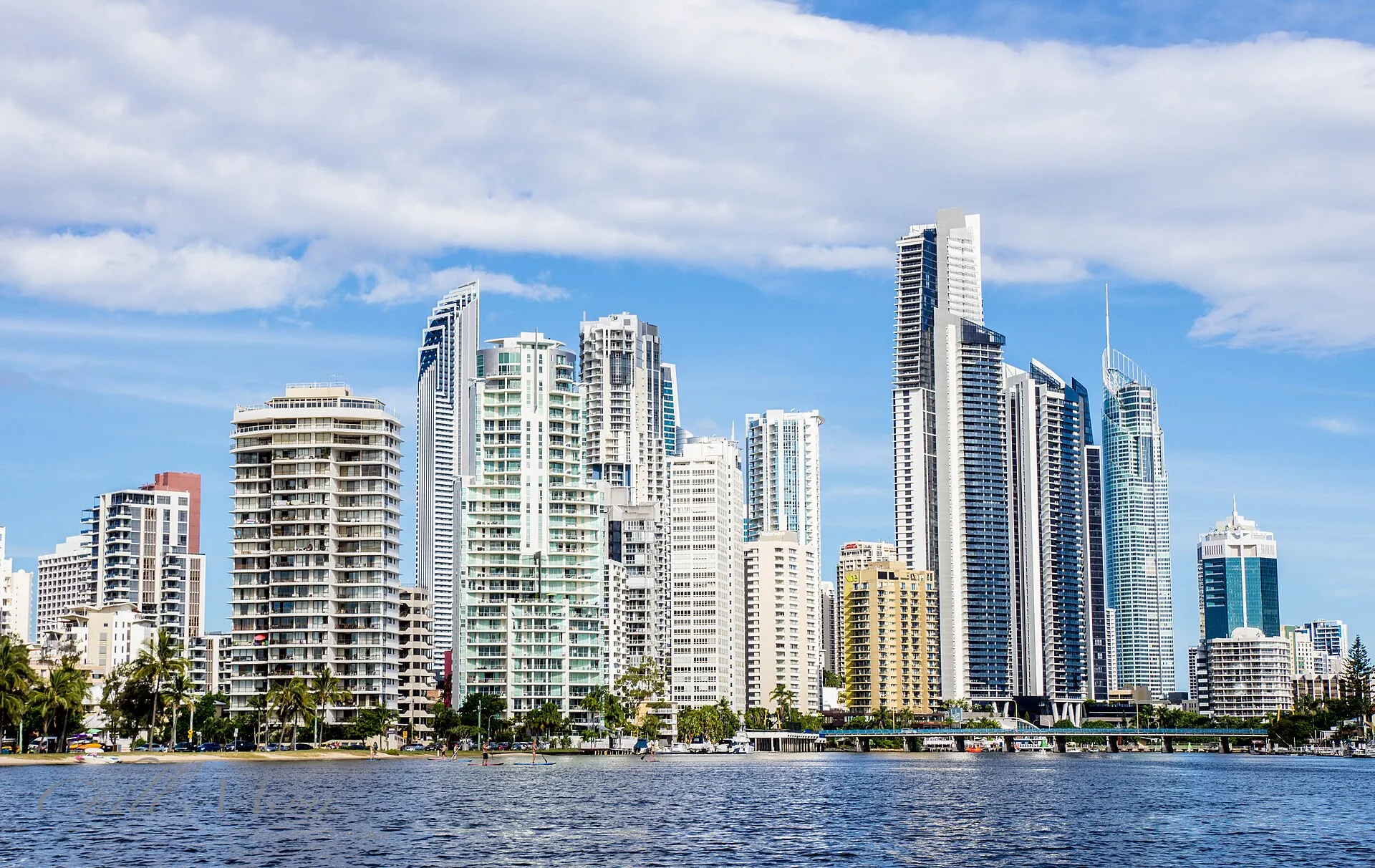
Website design for tradies on the Gold Coast should answer the local questions first: do you understand salt and corrosion, can you help before and after a storm, and do you work at my end of the city? A coastal work page, storm pages, area pages from Coomera to Coolangatta and a visible QBCC licence cover most of it.
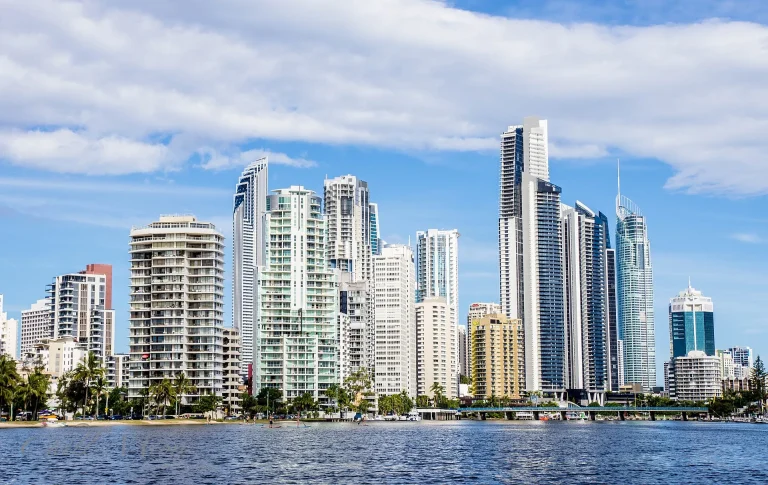
Website design for tradies on the Gold Coast has plenty of local material to work with, and most sites ignore it. The city has grown fast. There are new estates in the north, older brick and tile homes in the established suburbs, and beachfront houses and units that take a beating from salt and wind. Many trade sites here cover all of it with one page and a photo of the skyline.
Why does coastal work need its own page?
Salt air speeds up corrosion on anything metal: roof sheets, screws, hot water units, air conditioner casings, balustrades, gate motors, switchboards in exposed spots. Homes in Burleigh Heads, Palm Beach, Main Beach and Coolangatta see it most, especially where rain does not wash the salt off.
A page explaining which materials and fittings you use close to the beach, and how often they should be checked, is useful to those owners and rare on trade sites. It gives Google and AI search tools something specific to match. It also tells the customer you have seen this problem before.
Who else is searching for a tradie here?
A lot of Gold Coast work does not come from the person living in the house. Holiday rental owners may be interstate. Unit blocks have body corporate managers. Those customers need different things from your site:
- Clear invoicing, photos of the finished work and a way to deal with you without being on site.
- A note on whether you take strata and rental work at all.
- Proof of licence and insurance, which managers often have to keep on file.
- An email address, because managers often prefer a written record to a phone call.
How do storms and cyclones change the site?
Like Brisbane, the Gold Coast gets summer storms with hail and damaging wind, and it sits in reach of the occasional tropical system. Ex Tropical Cyclone Alfred in March 2025 brought days of wind and rain to South East Queensland. Before weather like that, people search for checks and preparation. Afterwards they search for repairs, and the two are different pages:
- A preparation page: what you check before a big wind event and how to book it.
- A storm damage page: make safe work, photos for insurers and realistic timeframes.
- A visible call button and a short form with photo upload on every page.
Area pages from Coomera to Coolangatta
The city is long and thin, and the M1 decides a lot of your day. Most homeowners simply want to know if you work their end of it:
- Northern growth corridor: Coomera, Pimpama, Ormeau, Upper Coomera. Newer homes, extensions and warranty work.
- Central: Southport, Labrador, Helensvale, Nerang. Older brick and tile mixed with newer builds.
- Beachside: Surfers Paradise, Broadbeach, Burleigh Heads, Palm Beach. Corrosion, older beach houses and unit blocks.
- Southern end: Currumbin, Tugun, Coolangatta. Salt exposure and steep blocks in places.
- Hinterland: Mudgeeraba, Tallebudgera, Tamborine Mountain, if you go up there.
Where do Gold Coast trade sites fall short?
- One long homepage that lists every service with no detail on any of them.
- A QBCC number that is missing, or hidden in tiny footer text. In Queensland a licence is needed for building work over $3,300, and for plumbing and drainage at any value.
- Stock photos instead of local jobs, which are easy to take on every visit.
- No mention of salt, even from businesses that deal with it every week.
Common questions
If you do much of it, yes. Owners near the beach search for help with corrosion, and a specific page with your own photos answers them better than a general list of services. Name the beach suburbs you work in, and say which materials you use.
If you take it, yes. Managers and interstate owners look for tradies who can work without them on site and send clear invoices and photos. One short page saying how you handle that can bring in steady repeat work.
Put your QBCC licence number in the footer of every page and again on your contact and about pages. Electricians should show their electrical licence instead. Print it exactly as it appears, so customers can check it on the register.
A short, practical page is enough. When a system is forecast, people search for checks and preparation, and a clear page with booking details catches those searches. Review it each season, so the details are right when the next one comes.
A wide shot showing the whole job, a close shot of the detail you fixed, and a caption with the suburb and the work done. Before and after pairs work best. Rust and salt damage photos are especially convincing here.
If your Gold Coast site does not reflect the coastal and storm work you do, start a brief and I will reply with what I would change first. Tradies in Brisbane face the same storms with very different houses.