Website design for tradies in Melbourne works best when the site leads with one specialty, such as heritage terraces, new estates or commercial fit outs, instead of listing every job at equal weight. Add area pages for the parts of the city you want, write problem pages in customers' words, and show your registration details clearly.
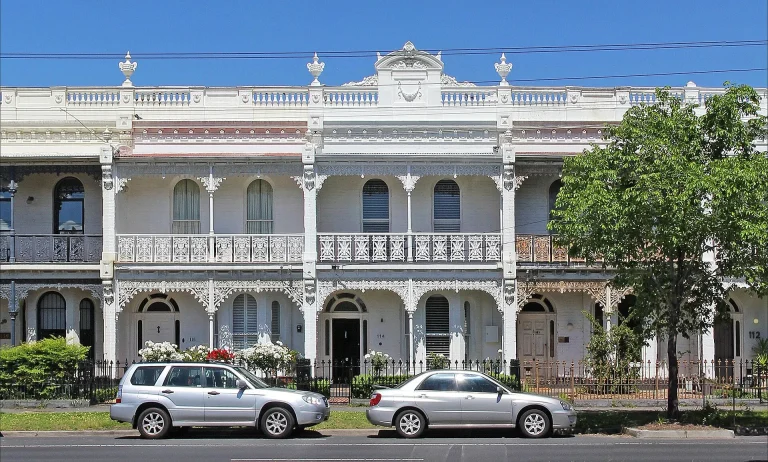
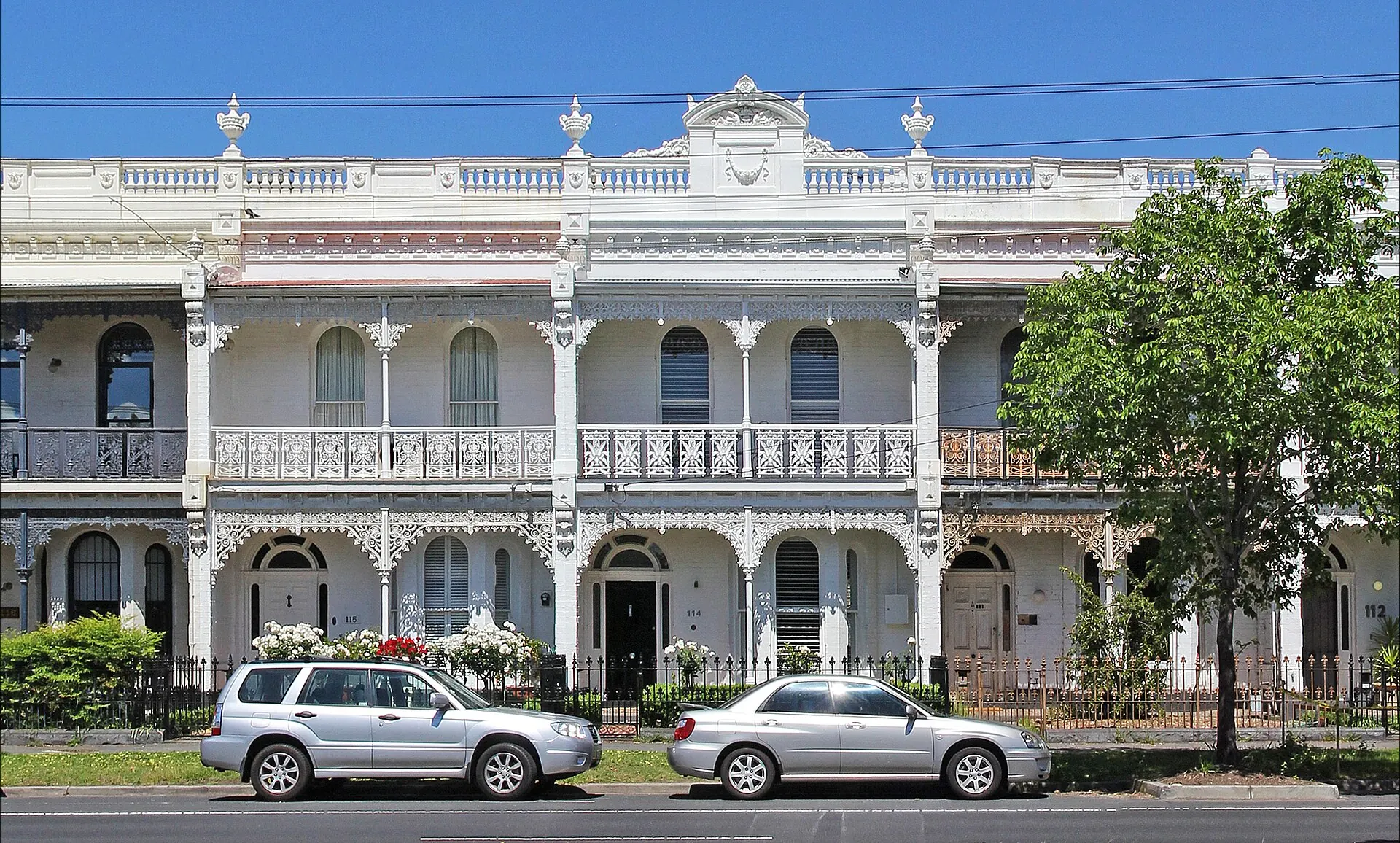
Website design for tradies in Melbourne usually goes wrong in one specific way: the site lists everything. Rewiring, hot water, renovations, repairs, all with the same stock icon. Half an hour across town the houses change completely, from Victorian terraces in Carlton to 1920s bungalows in Coburg to new estates in Craigieburn, and the customer wants someone who knows their kind of house.
My opinion is that a small trade business should lead with the work it most wants, and let the other services sit behind it.
Should a Melbourne tradie specialise on their website?
Yes, even if you still take other jobs. An owner of a Fitzroy terrace with old lead pipes and a heritage overlay wants someone who has seen that before. A couple in a new Werribee house wants quick, tidy and warranty friendly. A site that speaks to both at once convinces neither.
Pick the job you would happily do fifty more of. Put your best photos of it on the homepage and write one page explaining how you go about it. The rest still gets its own page, lower down the menu.
Which parts of Melbourne should you write about?
Travel matters here as much as in Sydney, and customers know it. A few area pages with real jobs on them work better than a long list:
- Inner north and inner east: Fitzroy, Carlton, Brunswick, Richmond, Hawthorn. Terraces, heritage controls, tight access and no parking.
- Bayside and the south east: St Kilda, Brighton, Moorabbin, Dandenong. Interwar homes and post war brick veneer.
- The east: Box Hill, Ringwood, Croydon. Established suburbs where a lot of the work is renovation and replacement.
- West and north growth areas: Werribee, Point Cook, Craigieburn, Mernda. New builds, extensions and warranty work.
- Frankston and the Peninsula, if you go that far. Holiday homes and salt air.
What do Melbourne customers search for?
Mostly the problem, in everyday words. "No hot water", "water through the ceiling", "power keeps tripping". Your invoice might say something more technical, and you should use both on the page. Melbourne weather adds its own searches. Heavy rain after a dry spell finds every blocked box gutter on a terrace, and the Christmas Day hailstorm of 2011 showed how much damage one afternoon can do across the north and west.
A page per common problem, written plainly, gives Google and AI search tools a clear match. It also tells the customer you have fixed this before, which is what they wanted to know.
What makes a small business website look trustworthy in Melbourne?
Small business website design often spends the budget on looks and forgets the proof. People want to see:
- Your registration or licence number, written exactly as it appears on the state register.
- Your name and a photo of you, not a stock handshake.
- Gallery captions that give the suburb, the kind of house and what you did.
- Reviews in normal text, or properly embedded from Google, rather than screenshots.
- A phone number as well as a form. Plenty of people still want to talk, especially about a leak.
Check all of that on your own phone. Old sites built on heavy templates often take too long to load, and most of your customers will arrive on mobile.
Common questions
Yes. Plumbers and builders in Victoria are registered or licensed, and many homeowners check before they book. Put the number in the footer and on the contact page, so nobody has to ring you to ask for it first.
The basics are your trade, your area and a phone number on the first screen, then service pages, area pages, a gallery and an about page. For most small trade businesses, that list is enough to start bringing in enquiries.
If you do it, yes. Owners of older homes often search for heritage trades by name, and they compare carefully. Show your own photos, explain how you deal with overlays, and name the suburbs where you have done this kind of work.
Start with twelve good ones that carry captions, and add to them as jobs finish. Twelve photos with a suburb and a line of explanation do more than a hundred unlabelled shots, and they load faster on a phone.
No. Leading with a specialty changes what your website says first, not what you are allowed to do. Keep your other services on their own pages. You will simply get more of the enquiries you wanted in the first place.
If your Melbourne site lists everything and sells nothing, start a brief and tell me which jobs you want more of. The Canberra guide looks at another cold weather city with very different customers, and the full tradie website guide covers the basics.